
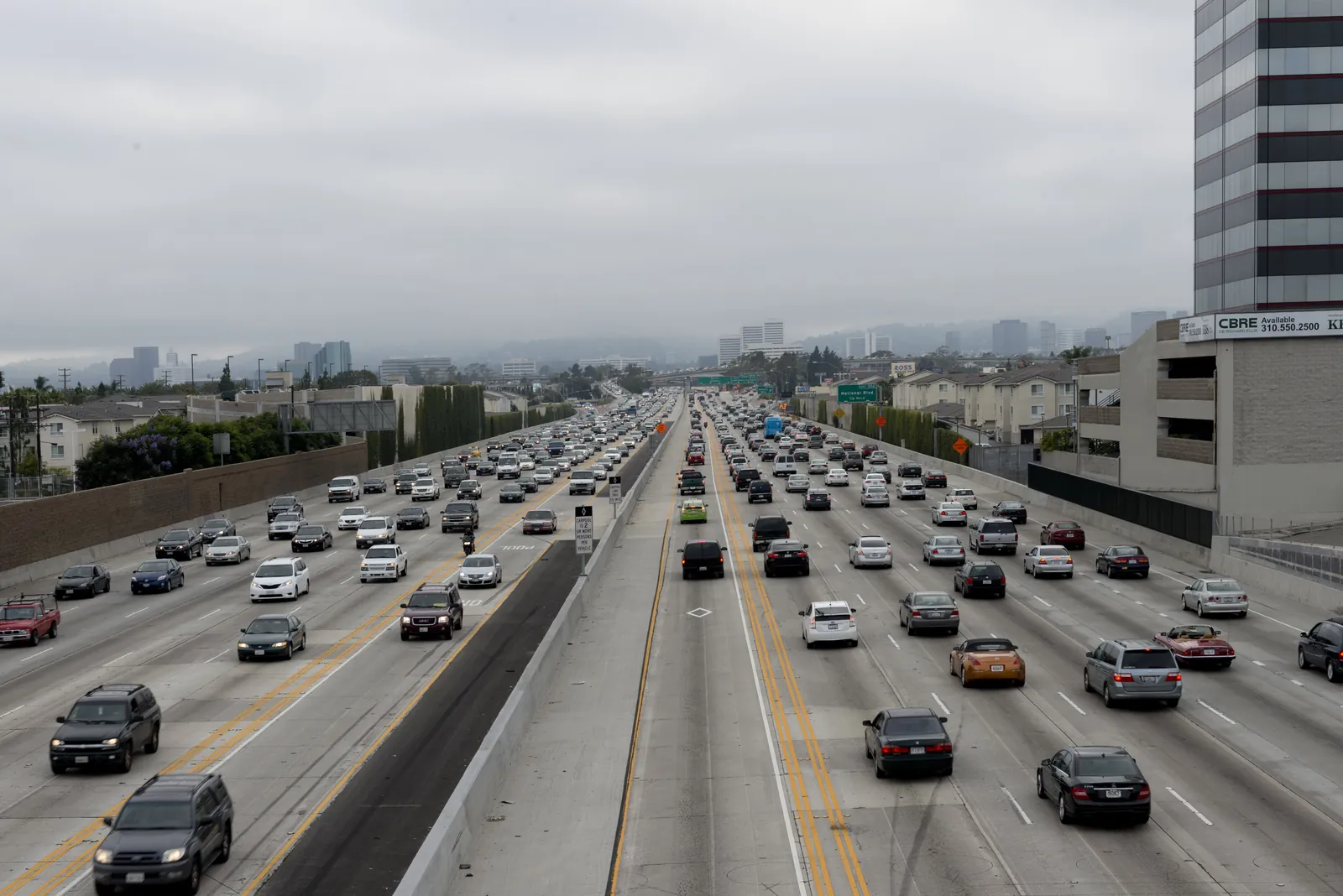
Almost every California driver asks the same question: "Do I have enough?"
The honest answer depends on more than the law. It depends on what you drive, what you own, who rides with you, and how much you could afford to pay out of pocket after a serious crash.
Start with the legal floor: 30/60/15
California requires liability insurance (or another accepted form of financial responsibility) on vehicles driven or parked on public roads. For policies issued or renewed on or after January 1, 2025, the minimum liability limits are:
- $30,000 for injury or death to one person
- $60,000 for injury or death to more than one person in one accident
- $15,000 for damage to someone else's property
That shorthand is 30/60/15. Meeting it helps you drive legally. It does not mean those numbers will cover a modern hospital bill, a newer SUV you hit, or a lawsuit above your limits. For the official rule and proof requirements, see California auto insurance requirements.
Liability: protecting other people—and your future
Liability helps pay for injuries and property damage you cause to others, up to the limits you buy. It generally does not fix your own car or pay your own medical bills.
If you only buy the minimum, anything above those limits may come from your savings, wages, or other assets. That is why many families look at higher limits when they can. There is no single "right" number for everyone. A good conversation looks at:
- Your income and savings
- Whether you own a home or have other assets
- How many people usually ride with you
- How far you drive and where
Learn the basics in what liability car insurance covers in California.
When "full coverage" enters the picture
People say "full coverage" as if it were one product. It usually means liability plus collision and comprehensive—and often other options—especially when a lender or lessor requires it.
- Collision helps repair or replace your car after a crash, after your deductible.
- Comprehensive helps with theft, vandalism, fire, and certain non-crash damage, after your deductible.
If you finance or lease, your lender will usually set minimum requirements. Details: what full coverage means for a financed car.
Coverages that close common gaps
Ask about these when you compare quotes (availability and wording vary by company):
- Uninsured / underinsured motorist: helps when the other driver has no insurance, or not enough. See uninsured motorist coverage in California.
- Medical payments: can help with medical bills for you and passengers after a covered accident, regardless of fault, up to the limit.
- Rental reimbursement / roadside: help you stay mobile after a covered loss or breakdown.
- Gap coverage: if you owe more than the car is worth, ask your lender or dealer, since gap is usually offered through them. See gap insurance for financed or leased cars.
A simple way to decide "how much"
- Meet the law with at least 30/60/15 liability (or the higher amount your situation needs).
- Protect the car with collision and comprehensive if you still owe money on it, or if you could not replace it easily.
- Protect your household with uninsured motorist and medical payments that match your comfort level.
- Pick deductibles you could actually pay this month—not just the ones that make the premium look low.
- Review once a year, or after a move, a new driver, a new car, or a big life change. Address and household details matter: why your address and household information matter.
Want a second set of eyes on your limits? Text or call (714) 736-9048 (text available 24/7). Send a photo of your declarations page, and we'll walk through what you have—in English or Spanish—without pressure.
Cost vs. protection
Shopping only for the cheapest minimum can feel smart until one claim. Shopping only for the highest limits without a budget can strain the household. The middle path is a clear policy you understand and can keep paying. Continuous coverage also helps you avoid DMV headaches; see how to avoid a car insurance lapse.
If a DMV notice asks for an SR-22, start with what an SR-22 is in California.
If price is tight, ask about payment plans, adjusting deductibles carefully, and California's Low Cost Auto program eligibility (the program—not Street Smart—decides who qualifies). Our affordable auto insurance guide explains practical next steps.
Talk with Street Smart
We compare options from the carrier partners we work with and explain the tradeoffs in plain language. You choose the coverage. We help you see what each choice really means.
Call or text (714) 736-9048 · text available 24/7 · English or Spanish
Official sources
- California DMV: Insurance Requirements
- California Vehicle Code §16056
- California Department of Insurance: Auto Insurance
Educational information only—not a quote, recommendation of a specific limit, or coverage decision. Needs vary. Coverage is subject to eligibility, underwriting, policy terms, conditions, deductibles, and exclusions.
Be the first to ask a question.